Dr. Marsha Linehan Obituary, Death – Pioneering Psychologist and Creator of DBT Dies at 83
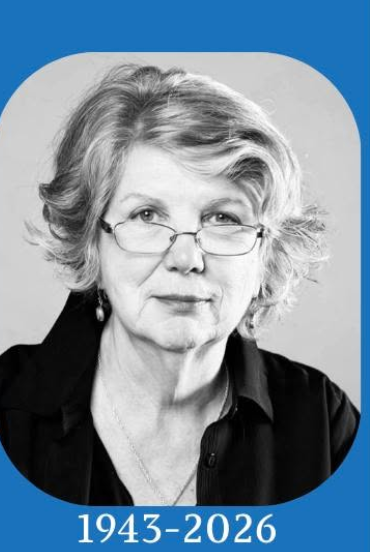
Dr. Marsha M. Linehan, the renowned psychologist whose groundbreaking work transformed the treatment of severe emotional distress and suicidal behavior, died on November 10, 2026, at the age of 83. Her family shared her obituary with permission, honoring a life devoted to helping people find hope and build lives worth living.
Linehan died in the presence of her beloved daughter, Geraldine Rodriguez. She leaves behind an extraordinary legacy in psychology, psychotherapy and mental health care, particularly through the development of Dialectical Behavior Therapy, widely known as DBT.
Born on May 5, 1943, in Tulsa, Oklahoma, Marsha grew up in a Catholic family. Her personal experiences with psychological suffering during her teenage years would eventually influence the direction of her academic and professional life. After receiving psychiatric care as a young woman, she made a promise to return and help others experiencing similar struggles.
That commitment became the foundation of a career that changed modern mental health treatment.
The Development of Dialectical Behavior Therapy
Linehan became internationally recognized for creating Dialectical Behavior Therapy, an evidence-based treatment initially developed to help people experiencing chronic suicidal thoughts and borderline personality disorder.
Her approach combined principles of behavioral science and cognitive behavioral therapy with mindfulness practices influenced by Zen Buddhism. DBT offered patients practical skills for managing intense emotions, improving relationships and navigating difficult moments.
A major milestone came in 1991, when she published research demonstrating the effectiveness of the treatment. At a time when many people with borderline personality disorder faced limited treatment options, her work challenged longstanding assumptions and helped establish new possibilities for care.
In 1993, she published two influential books, Cognitive-Behavioral Treatment of Borderline Personality Disorder and Skills Training Manual for Treating Borderline Personality Disorder. These works became important resources for clinicians and helped expand the use of DBT to adolescents, families and people experiencing other complex mental health challenges.
Academic Career and Professional Recognition
Linehan earned her bachelor’s and master’s degrees in psychology from Loyola University Chicago in 1968 and 1970, followed by a doctorate in social psychology in 1971.
She joined the University of Washington’s Department of Psychology in 1977 and remained there throughout her academic career. She established the Behavioral Research and Therapy Clinics, supporting research, clinical treatment and professional training for people experiencing severe psychological difficulties.
Her influence extended far beyond the university. Through training programs and organizations she helped establish, DBT was introduced to clinicians and treatment centers around the world. Her work made it possible for more professionals to use the approach while maintaining its essential principles.
Over the years, Linehan received numerous honors for her contributions, including the Grawemeyer Award in Psychology, the Career and Lifetime Achievement Award from the Association for Behavioral and Cognitive Therapies in 2016, and the Washington State Leadership Board’s Legacy of Service Award in 2023.
She was also recognized in TIME Great Scientists: The Geniuses and Visionaries Who Transformed Our World in 2018.
A Life Shaped by Compassion and Spirituality
Beyond her academic achievements, Marsha was deeply committed to spiritual practice. Raised Catholic, she later explored contemplative prayer, mindfulness and Zen Buddhism, eventually receiving Dharma Transmission as a Zen Master in 2012.
Her spiritual interests influenced her professional philosophy, particularly the integration of acceptance and change that became central to DBT.
For many years, she kept her personal mental health experiences private. In 2011, she publicly shared her story, explaining how her own struggles had shaped her determination to help people facing severe emotional suffering. Her decision gave another dimension to her work and offered hope to people who recognized parts of their own experiences in her story.
Linehan also worked to make DBT training and skills more accessible, including through the Linehan Institute, which she established with her daughter to support underserved communities.
Family and Lasting Legacy
Marsha was deeply loved by her family. She is survived by her daughter, Geraldine Rodriguez, her son-in-law, Nate Merseth, and her granddaughter, Catalina Merseth. Her surviving siblings include Aline Haynes, Earl Linehan, Dr. Marston Linehan and Michael Linehan. She was also remembered by many nieces and nephews.
Her family described a woman whose home was a place of warmth, joy, dancing and meaningful conversations. Beyond her professional reputation, she was cherished as a mother, grandmother, sister, mentor and friend.
When asked how she hoped people would remember her, Linehan expressed a desire to be remembered as someone who helped others and developed effective ways to support people who had nobody else to turn to.
That aspiration became the defining purpose of her life. Through DBT, her research, teaching and commitment to compassionate care, she influenced countless clinicians and helped people around the world find new ways to manage suffering.
Dr. Marsha Linehan’s death marks the loss of a pioneering figure in psychology, but the principles she developed will continue to guide mental health professionals and offer hope to people facing difficult challenges for generations to come.